
A clear repair quote tells you what problem the contractor found, what work is proposed, and what you will pay for the agreed scope. It also tells you how the company handles a discovery that changes the work.
This checklist is designed for comparing proposals. It does not establish a market price, predict the cost of a repair, or determine whether a particular replacement is necessary.
Separate diagnosis from the sales recommendation
Begin with the reported problem and the technician’s findings. Ask the contractor to identify the confirmed fault and explain how the proposed work addresses it.
Then ask which other items are required for that repair, which are preventive recommendations, and which are convenience or appearance upgrades. A written distinction gives you something specific to approve.
For example, a proposal labeled “complete rebuild” needs more explanation. Ask what components that term includes and why they are being replaced. A package name does not substitute for a scope.
Build a comparison with the same fields
For each proposal, record:
- Business name and contact for the work.
- Reported complaint and diagnosed condition.
- Parts or equipment proposed.
- Labor included and important exclusions.
- Service, diagnostic, disposal, and other charges.
- Stated total and applicable tax treatment.
- Expected scheduling and completion arrangements.
- Warranty terms and callback responsibility.
Ask the provider to clarify a field it cannot complete before inspection. Do not fill in an unknown item with an assumption simply to make the columns match.
The FTC’s consumer guidance recommends written estimates describing the work, materials, price, timing, and contractor information. Use those as a baseline for questions rather than as a substitute for a complete agreement.
Ask how changes are approved
A useful question is: “If the work differs from this proposal, when will you stop and contact me, and how will the revised total be documented?”
Keep a copy of the scope you approved before work starts. If someone recommends additional work during the visit, request the explanation and price change in writing.
Do not assume that a verbal ceiling or a comment made to a scheduler automatically appears in the technician’s work order. Ask the business to confirm the arrangement.
Compare warranty terms as carefully as the total
“Warranty included” leaves unanswered questions. Ask what is covered, who provides the coverage, how to request service, and whether a return visit has a charge.
Distinguish a manufacturer’s part warranty from the installer’s labor commitment. Ask for documents rather than estimating coverage from the word “lifetime” or another sales phrase.
If you supply a part yourself, confirm how that changes the company’s willingness to install it and the coverage offered.
Use differences to ask better questions
If one proposal contains work absent from another, ask both providers about it. You are comparing explanations as well as totals.
An expensive proposal is not automatically excessive, and an inexpensive one is not automatically better value. The useful issue is what each price buys and what remains outside the agreement.
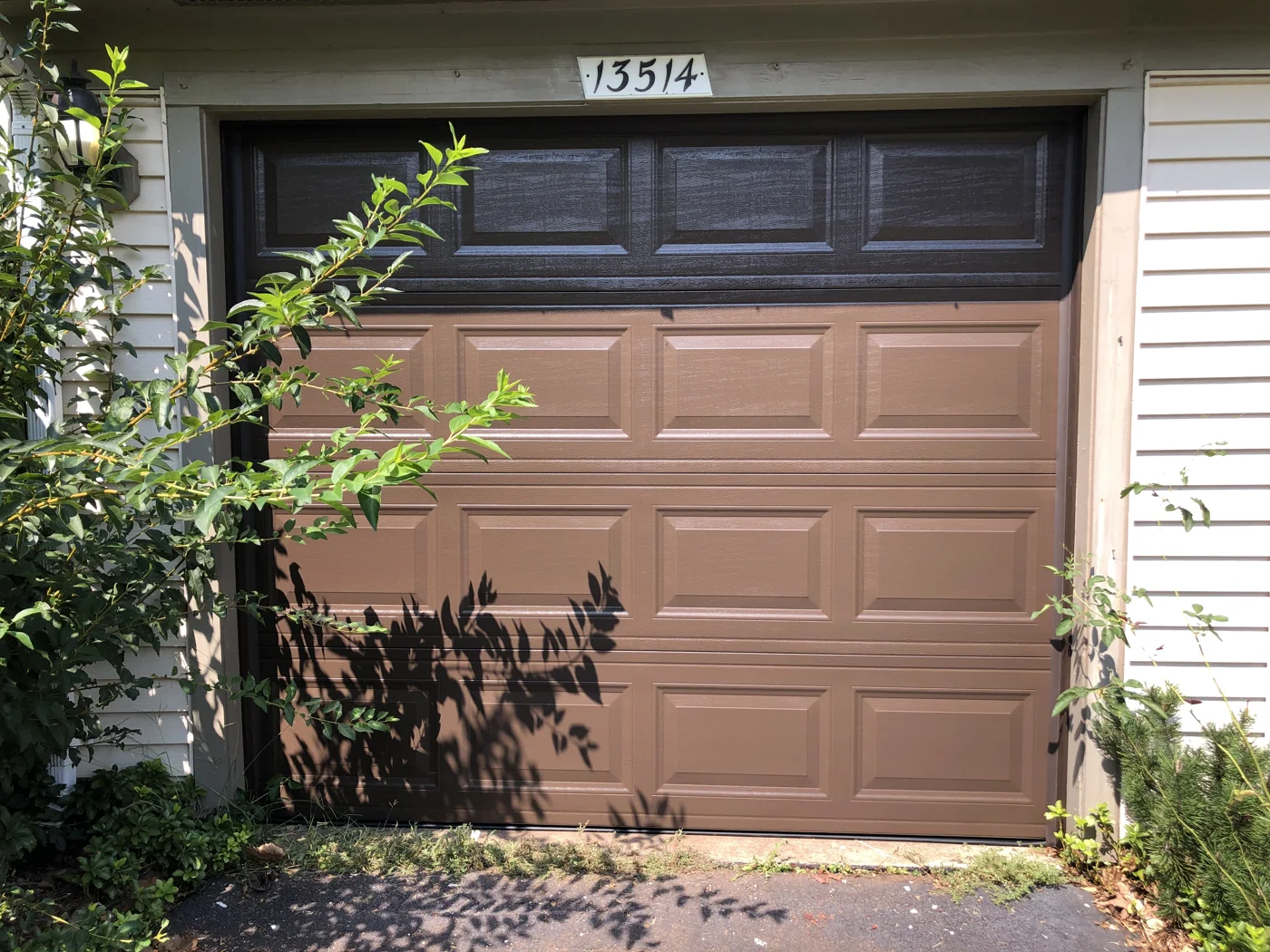
If you cannot get an understandable scope, pause authorization while clarifying it. Keep the door out of service if its condition is uncertain.
Retain a completion record
After the work, compare the invoice with the approved proposal and documented changes. Keep the part or equipment identification and any maintenance instructions supplied.
Why are there no dollar ranges here? A useful price range needs current, relevant evidence and a defined scope. No local price data has been verified for this article.
Can I compare a phone quote with an inspected estimate? Label the first as provisional and ask what assumptions it makes.
What should I do with optional recommendations? Record them separately, along with the provider’s explanation of timing and consequences.
Sources & further reading
Sources provide technical background. Worksheets and comparison questions are editorial guidance, not an equipment diagnosis.
Keep reading
Looking for local context?
Explore the NJ and PA area guides for nearby-place references and questions to confirm with a provider. Business coverage and Google Maps links are added only after verification.